Hear from our Alumni: Medicine to Mountains
St Clare's IB21 alumna Emilia, now studying medicine at the University of Exeter, spent her summer volunteering in a hospital in Pokhara, Nepal, before trekking to Everest Base Camp.
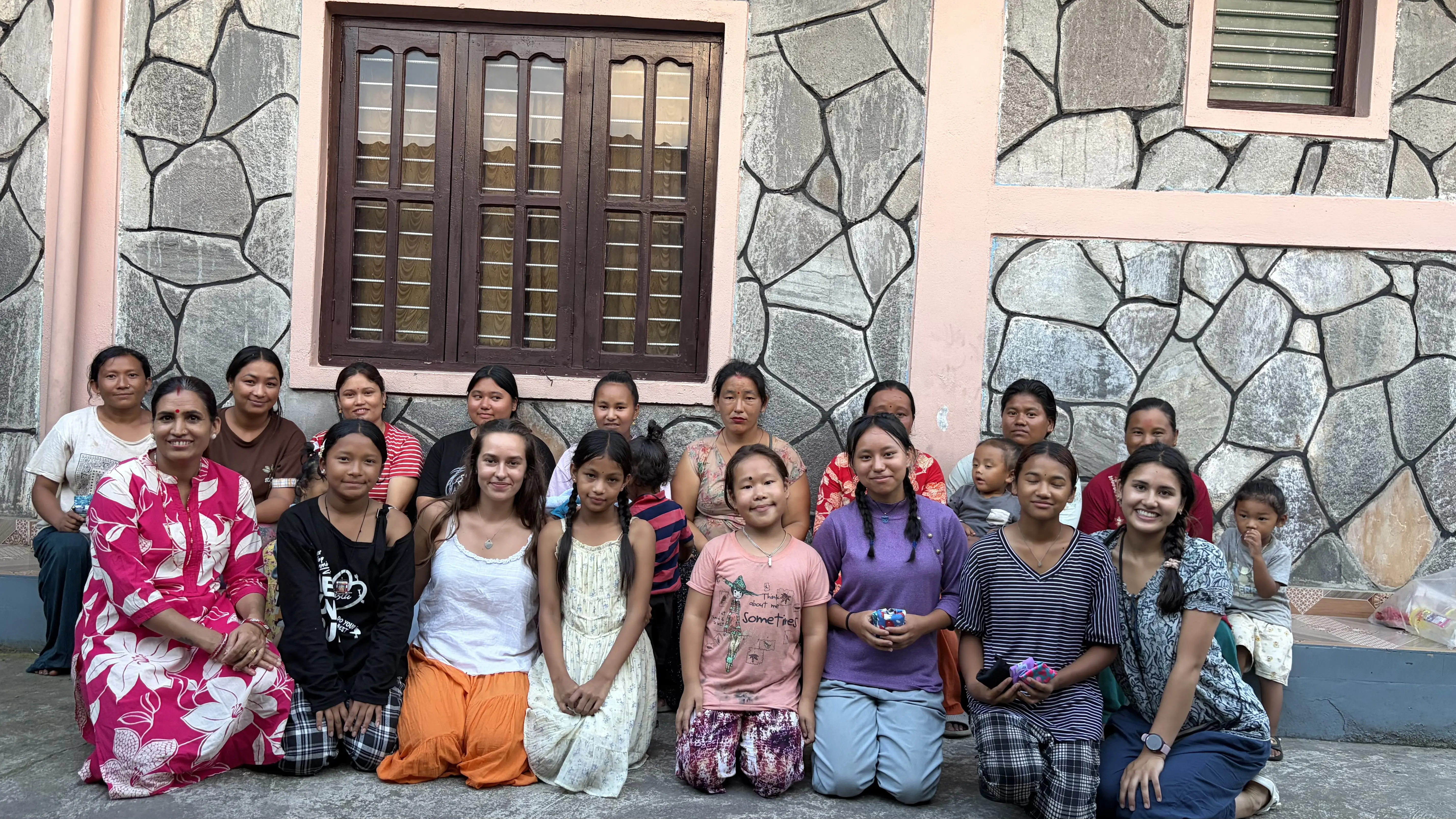
We are all lucky enough to say that we went to a school that offered a world of endless experience from a young age through providing us with the chance to explore new cultures and ways of living. From as young as 9 years old I can put my hand on my heart and say I was taught the importance of an open mind and willingness to be put outside of my comfort zone. This is something that has stuck with me and I have carried into my adult life. And I couldn’t be more grateful for it.
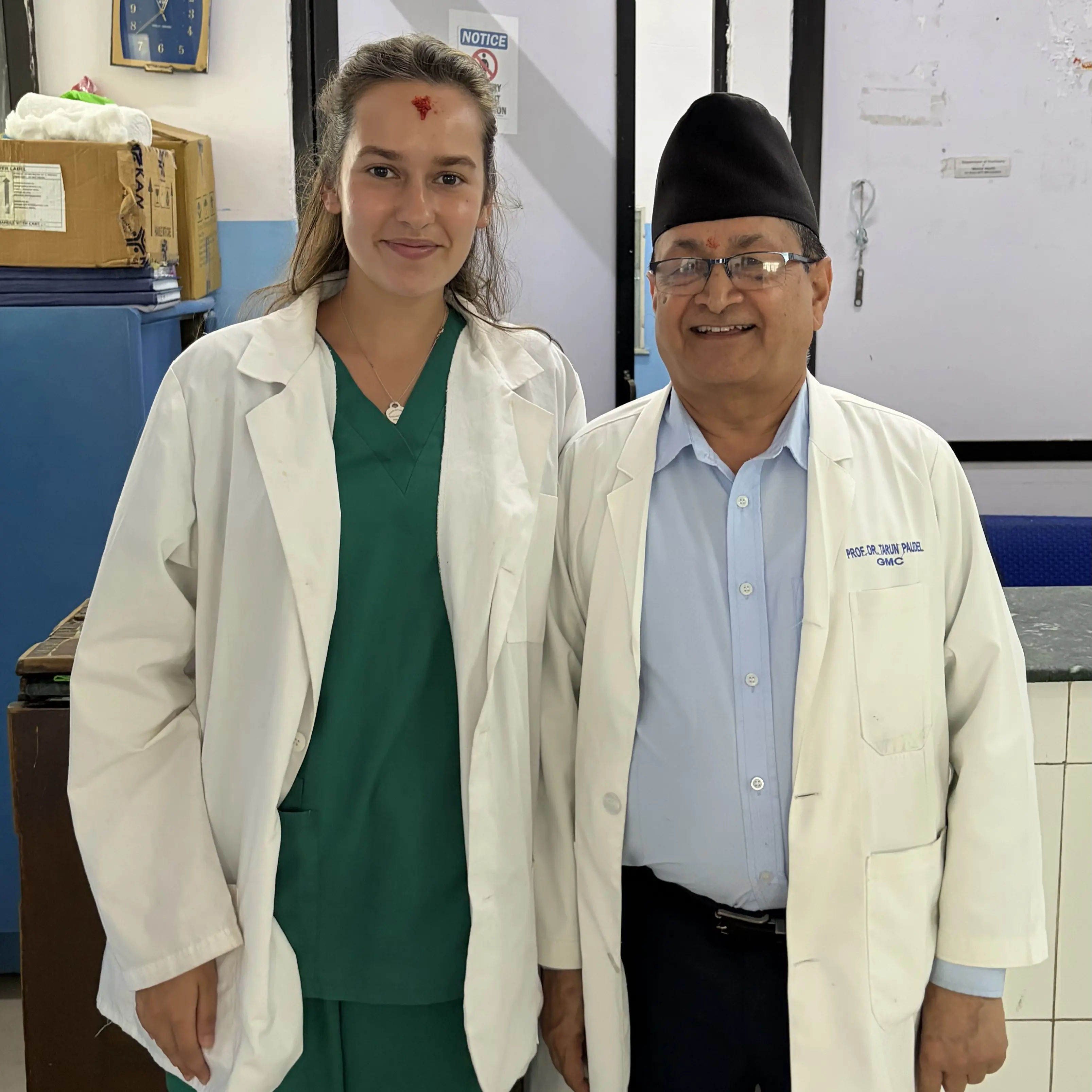
Through the combination of doing medicine and being exposed to populations less fortunate than myself, I knew I had a thirst for caring for those aboard and learning about their own healthcare systems and practices. This summer I volunteered in a hospital in Pokhara, Nepal where I got to experience first hand the differences in medicine, particularly when funds were far more limited than that of my home. Coming from the UK, where medical treatment at times can feel limitless, to Nepal where often you have to address situation with a ‘make-do’ mindset was certainly a shock to my system. All I had known and been taught was a rigid practice with strict rules and formalities. For example, at home we are trained to ask for consent just for asking to speak to someone, whereas in Nepal the moment you walk into the hospital you are assumed to have consent from someone. Shamefully, I went with the expectation that the practices in Nepal would be subpar and there would be something I could teach the the team. How wrong I was. From exams to written medical policies, the education is identical to home. If anyone was taught anything medical, it was me. On the contrary, the trust that is instilled in the doctors is not close to being matched in the UK. Patients arrive to hospital with complete faith in the doctors and nurses that they will do everything in their power to make them better. At home people arrive with a preconceived idea of their diagnosis and tell you yours is wrong when it’s different to theirs. We have lost the relationship that used to be held between patients and doctors that once made our healthcare system so strong. Through AI and, much needed, understanding of autonomy, we have removed a vital part of medicine that contributes to the public getting better. This is something that Nepal get right. They may not have the same access to supplies and medication that we do in the western world but trust and respect is something they are worlds away from us with. The most frequent cases that were admitted were road traffic accidents. Day in, day out, people came with lacerations head to toe from reckless driving and overpopulated roads. It was constantly ‘a make the most of what we have situation’, trying to find bandages and sterile water to debride wounds in hopes to begin healing each patient that came in. It’s in moments like these you realise how fortunate we are in the west have access to supplies that the click of your fingers.
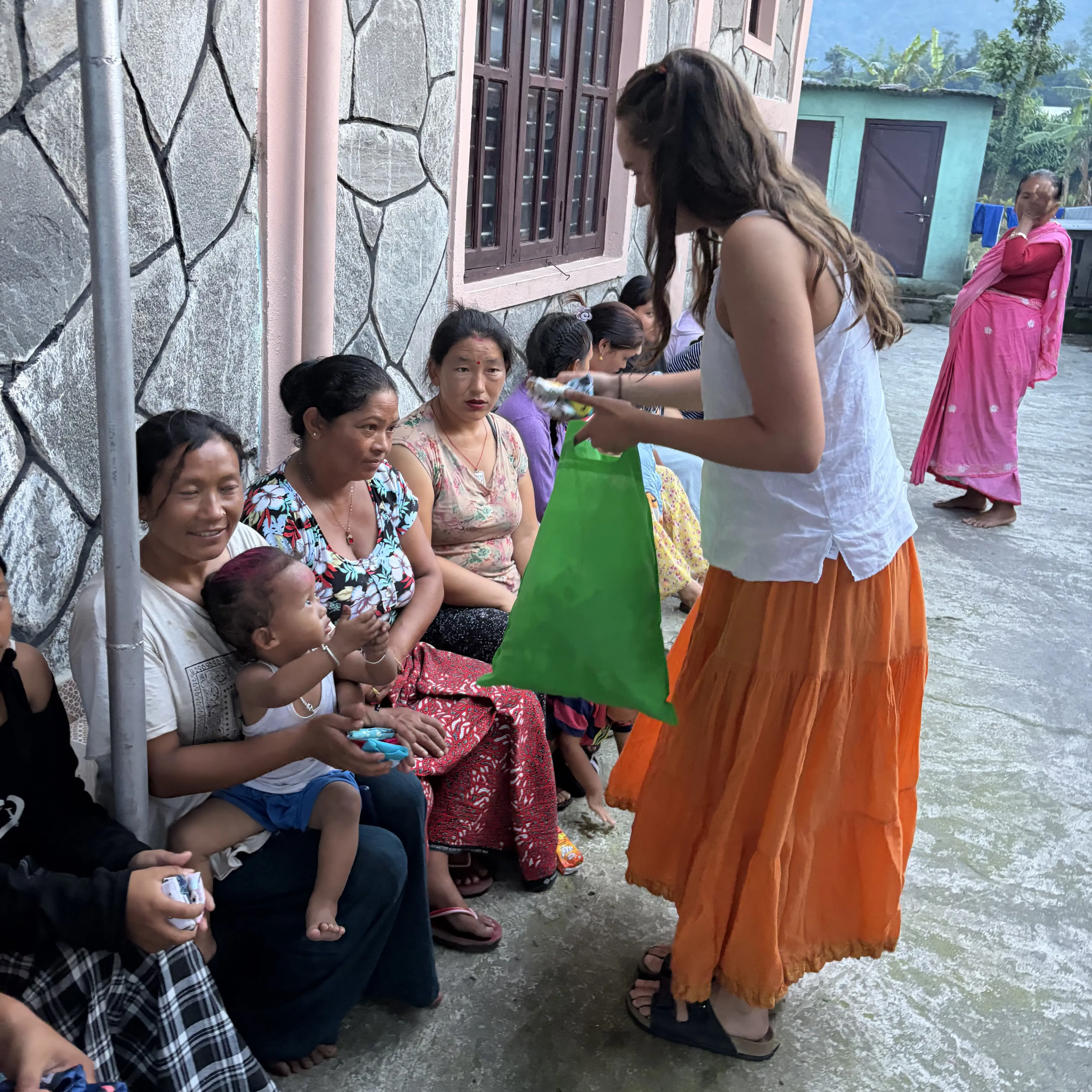
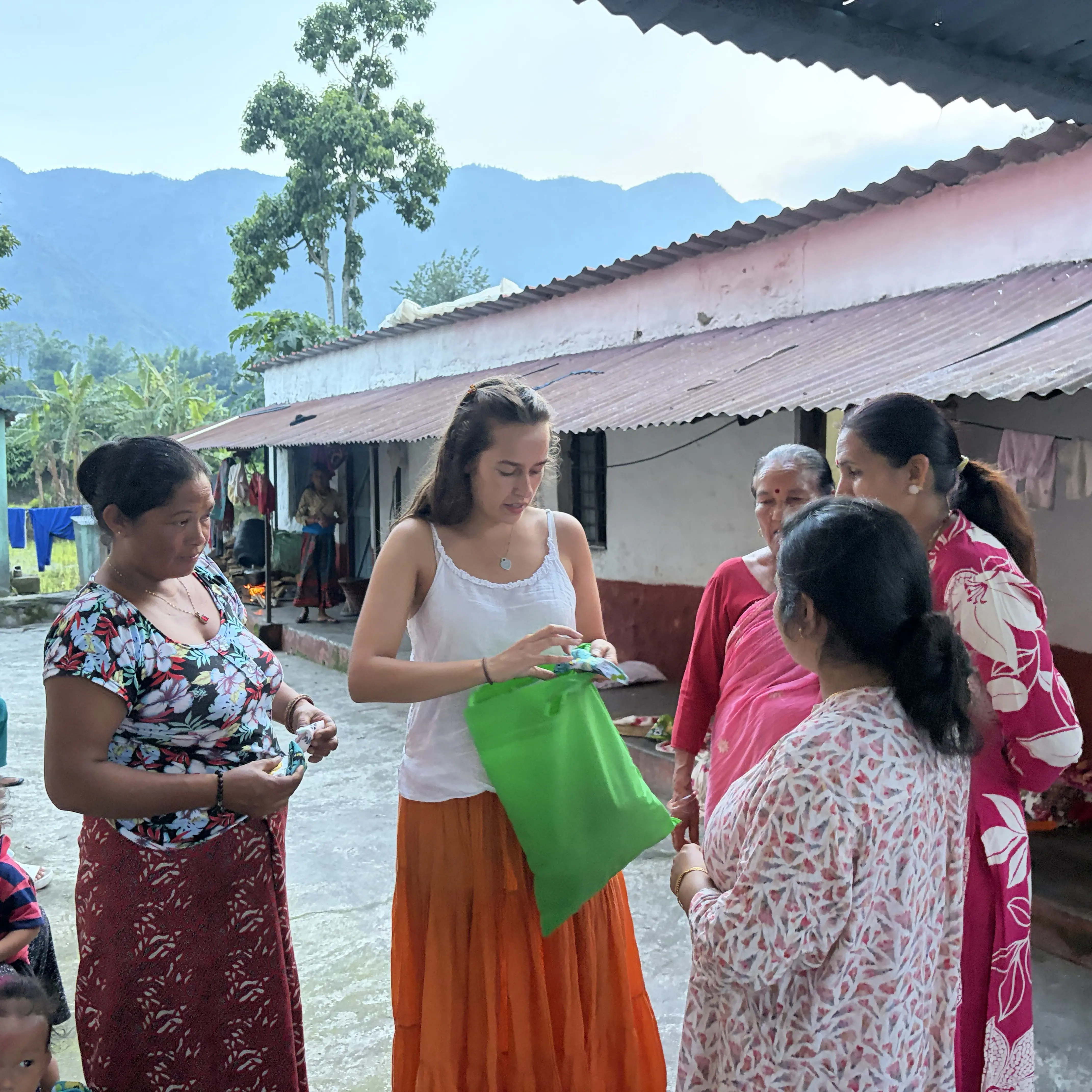
From the hospital I went to nearby villages with offerings of reusable sanitary products for women and young girls. With this we attempted to educate them on the menstrual cycle, as well as breastfeeding support for those that were new mothers. From an item that may seem so insignificant at home can be so appreciated to others. Women from all over the nearby mountains had heard about this offering and came to collect what they could. It wasn’t until I saw the sheer number that arrived until I realised how in need they were.
From the hospital I carried on my trip and travelled to the Himalayas where I completed the Everest Base Camp trek. 11 days of searching for any little piece of will power I had left to get me up and down just the start of a mountain. But also 11 days I will never regret. My grandfather, raised near the Himalayas, spoke so fondly of these mysterious mountains and I knew that it was time to explore what he loved so much about a place I knew so little about. When you hear the word ‘Himalayas’, most people instantly think of the world famous Mount Everest, as did I. Now I have returned from the trip, I have learnt how much more the word means to me. It is the landscape, the culture and most importantly the people. Nothing but kindness and generosity in a climate that at times can be so unkind. I was lucky enough to hear endless stories about expeditions into the unknown and lives that were sadly lost. Through it all, any heart break or broken bones, the locals stayed positive and curious about this mountain range’s beauty.
People are frequently told that the off season is the worst time to go with unreliable weather and landslides. While all of that is true, there is a beautiful silence in going during the monsoon months. While at times we were hit with storms and rain, we in fact had bright blue skies while looking out to luscious green rolling mountains. Not only this, but when arriving to base camp itself, I was pleasantly surprised to be the only person there. Just my guide and myself. I think that alone is reason enough to go in the off season.
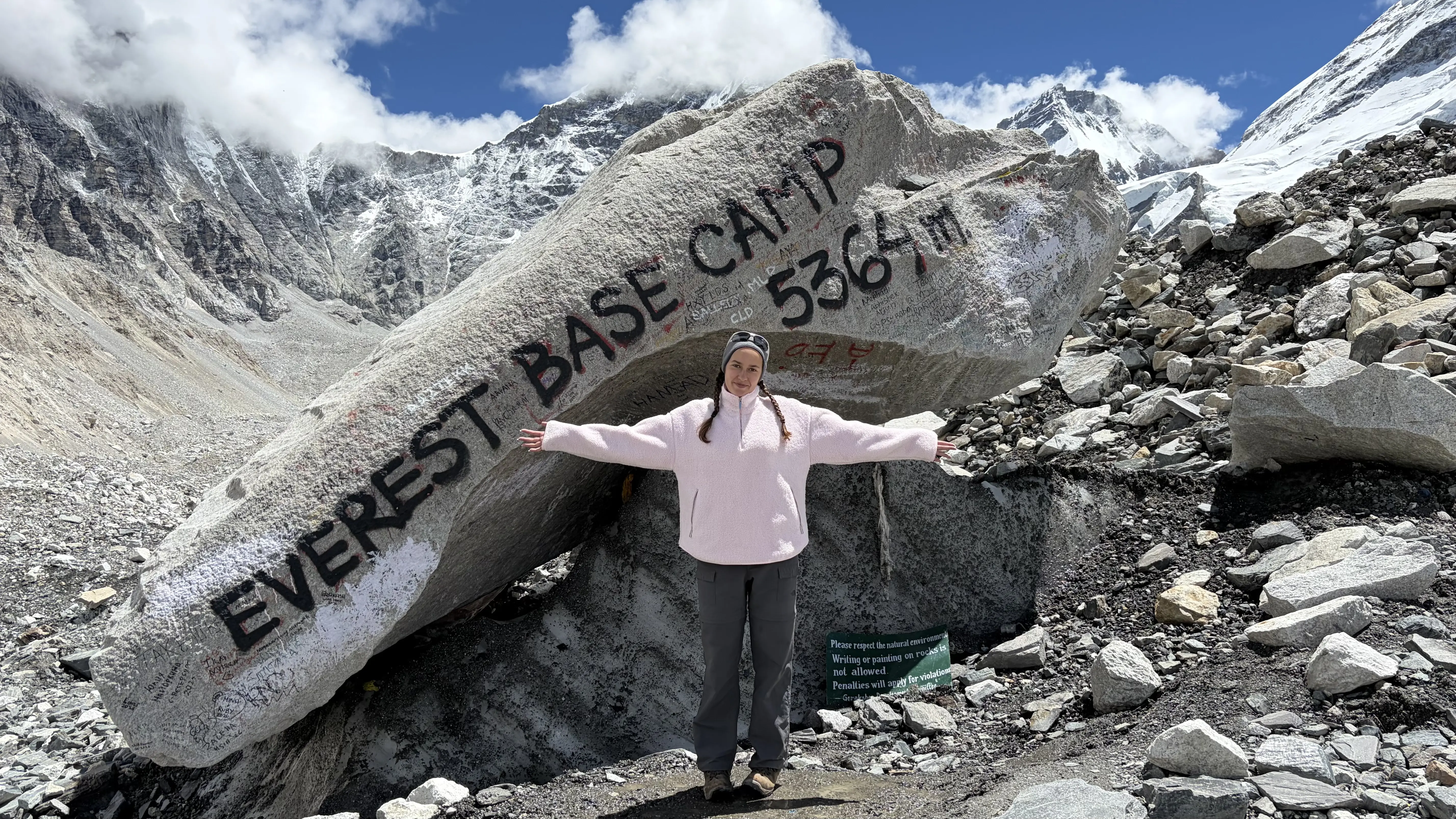
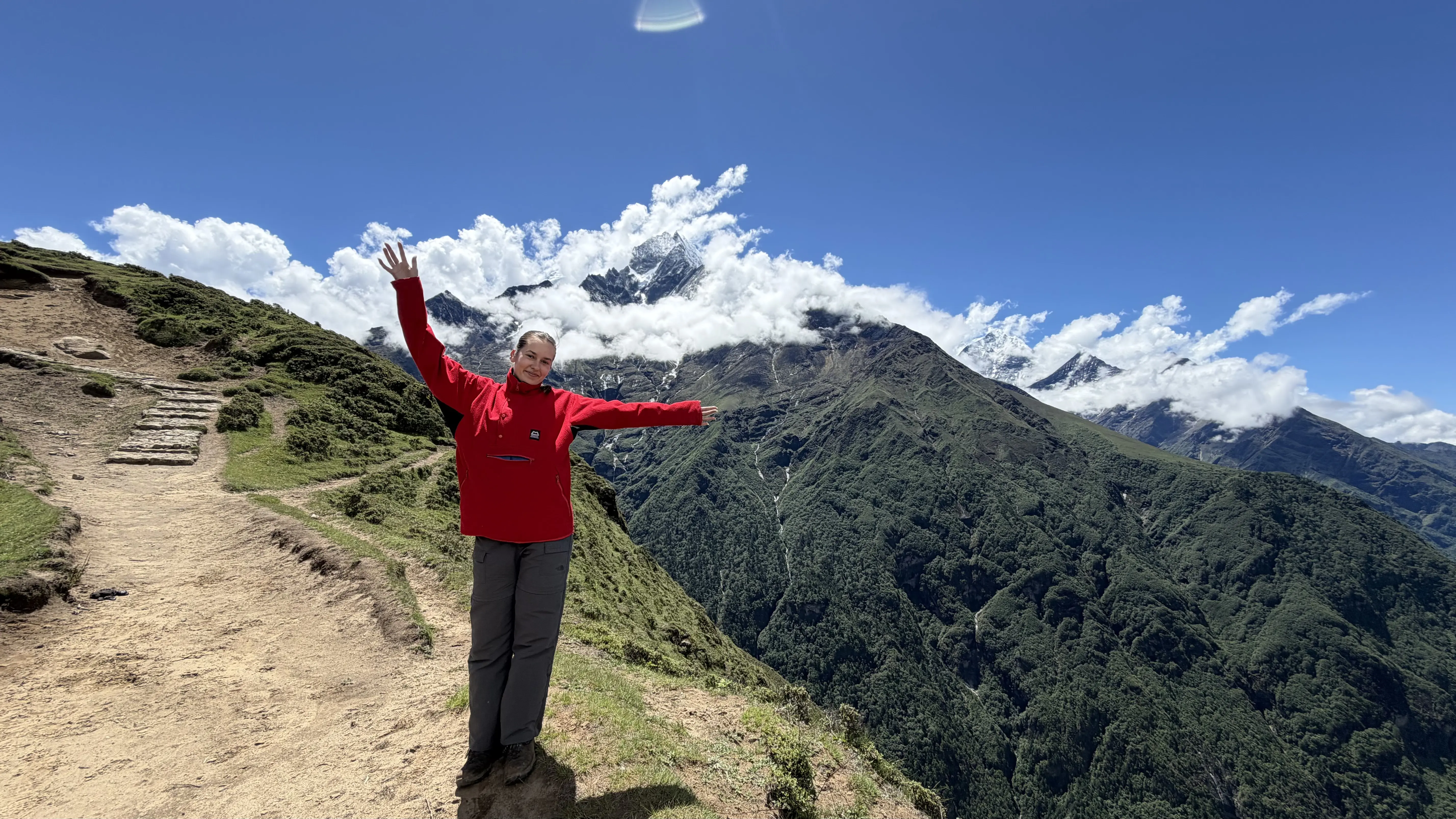
Just like with everything, it’s not always only positives. Unfortunately we were met with landslides and avalanches, an issue so pressing that many locals believe the base camp trek will no longer go ahead in a few years to come. The paths are becoming too dangerous for inexperienced trekkers and much of it has now collapsed. Part of me thinks it is now time we leave this beautiful mountain alone and to heal from the damage that we as humans are slowly causing. But that is a conversation for another day.
There are a few words from Anthony Bourdain, who was not only an expert in the kitchen but also in living life in the way that was meant to be lived. I can confidently now say I live by and advise everyone else to, ‘Be open to experience. Be willing to try new things. Don’t have a rigid plan. Accept random acts of hospitality without judgement or fear. Be humble. Be grateful.’ I truly urge you to explore this fascinating place while you still can. There is no chance you will forget it.
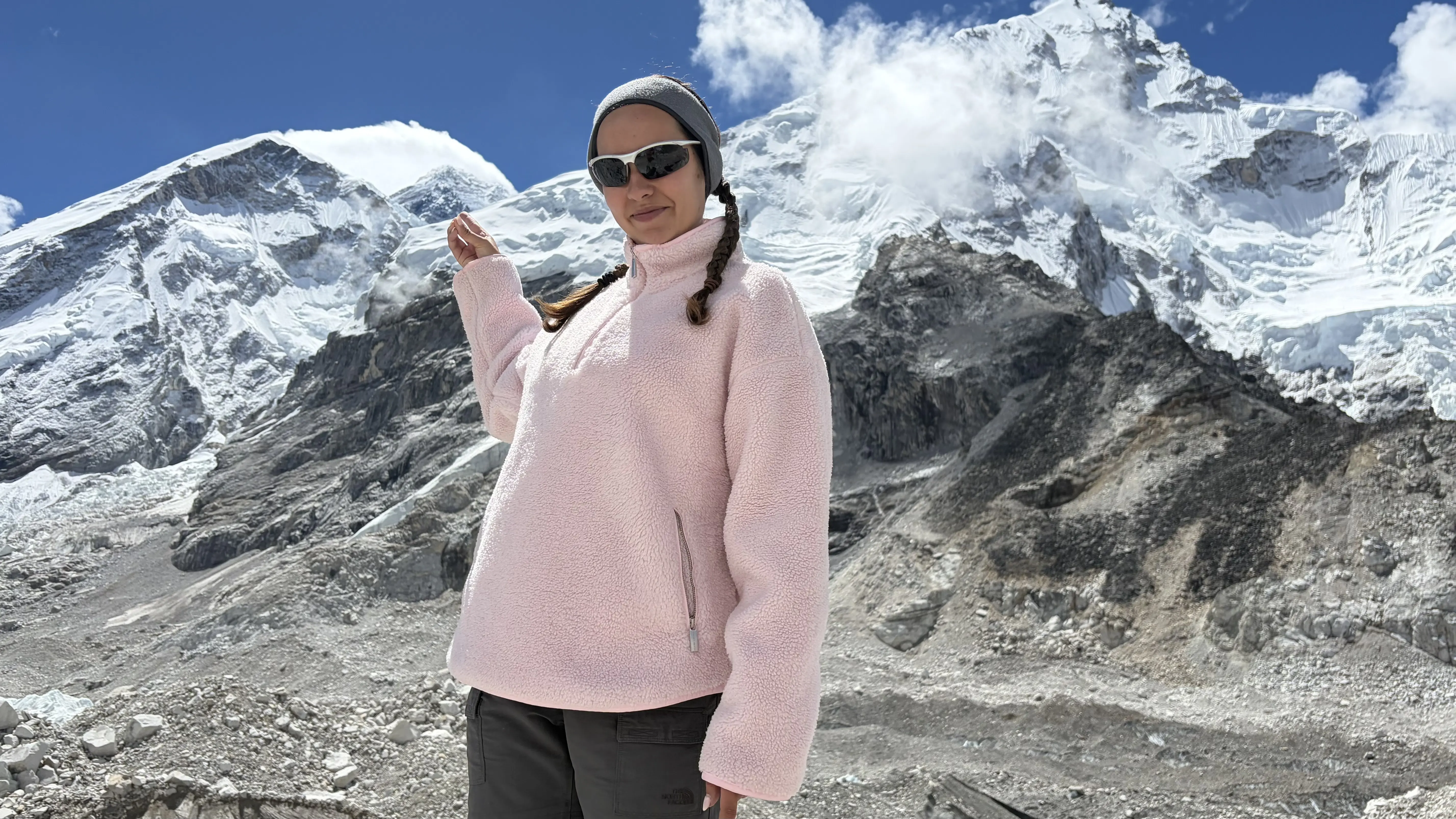
Written by Emilia, IB21 Alumna